
Specialty Roofing Products in Portland, OR
Specialty roofing products in Portland, OR are a family of synthetics and modified traditional materials, including plastic composite and partial slate, that deliver the look of cedar shake, slate, or concrete tile with enhanced durability and uniformity. In Portland, roughly 36 inches of annual rainfall, relentless moss pressure, and Cascadia seismic risk make materials that hold their color and shape while weighing far less than natural stone especially attractive. Reliance Roof Pros installs plastic composite and partial slate systems throughout Portland, with particular experience in Irvington and Eastmoreland, where historic Tudor and Craftsman homes call for a premium, traditional appearance without the upkeep of the original materials. As a locally owned company serving the Portland metro since 1996, we know these products take close attention to detail, and we install them accordingly.
Understanding Specialty Roofing Products
Advances in modern roofing technology now provide high-quality alternatives to traditional premium materials, with enhanced durability, visual appeal, and design uniformity. Specialty products can be made to look natural while keeping their color and shape, unlike many of their natural counterparts. They require very little maintenance and usually incorporate environmentally friendly recycled components, combined with a consistency only the most modern production methods achieve. Product costs are certainly high, and installation usually demands focus on the details.
These products emerged in the Northwest over the last few decades as cedar, slate, and tile became harder to maintain or insure. Homeowners in neighborhoods like Irvington, Alameda, and Laurelhurst, where cedar and slate once defined the streetscape, increasingly look for something that matches the original character without the moss, rot, and weight that come with the real thing. Many Oregon and Washington homeowners associations also approve these products as replacements for cedar roofs, which makes them common in newer Lake Oswego and Happy Valley developments.
The primary advantage of specialty products is a premium appearance paired with very low maintenance and long life. The tradeoffs are upfront cost and installation sensitivity: these systems depend on the integrity of fasteners, flashings, and underlayments, so a cheap or careless installation undermines the product. They fall into two families, plastic composite and partial slate.
Why Portland Homes Need Specialty Roofing Products
Portland’s combination of moisture, shade, seismic risk, and weather extremes is exactly the environment where natural premium materials struggle and engineered alternatives earn their cost.
Moss, Rot, and Constant Moisture on Natural Materials
The Mechanism: Portland’s wet season keeps shaded roofs damp from October through May, and natural cedar holds that moisture, inviting moss and rot beneath Douglas fir and bigleaf maple canopy. Engineered materials that keep their color and shape resist this decay, though they still need periodic debris and moss attention in valleys and shaded areas.
Symptoms: On the roofs being replaced: moss mats, rotted shakes, and cracked or spalled tile and slate.
Portland-Specific Factors: Heavily shaded streets in Alameda, Laurelhurst, and Eastmoreland see the fastest deterioration of natural cedar, which is why many owners there choose a composite with a cedar profile.
Seismic Weight and Structural Load
The Mechanism: Portland sits in the Cascadia Subduction Zone’s shaking footprint, and heavy roofing adds mass high on the structure. Natural slate and concrete tile can weigh many times what composites do, with slate roughly 8 to 10 pounds or more per square foot against about 1.5 to 3 for plastic composites, and the double layering of traditional slate adds even more.
Symptoms: Older homes with sagging rafters or framing that was never engineered for a heavy roof.
Portland-Specific Factors: Pre-1960 homes in Irvington and Eastmoreland, originally covered in cedar, often can’t carry a full natural slate roof without costly structural reinforcement.
Cost of True Slate and Stone
The Mechanism: Traditional slate and stone roofs overlap so the visible layer has a full additional layer beneath it, known as double coverage. That doubles material and adds weight, which drives cost sharply upward. Partial slate products reproduce the same appearance with a single layer over high-caliber underlayment.
Symptoms: Quotes for full slate that exceed the value of a typical roofing budget, or structural engineering requirements that make slate impractical.
Portland-Specific Factors: Lake Oswego and Happy Valley owners who want a slate look on steep, complex rooflines often find partial slate the practical route.
Wildfire, Ice, and Heat Extremes
The Mechanism: The September 2020 wildfires, the February 2021 ice storm, and the June 2021 heat dome that reached 116°F showed that Portland roofs face fire, freeze, and heat extremes. Synthetic and stone-based products are chosen in part because they hold their shape and color through those swings, though each product’s fire rating should be confirmed for your property.
Symptoms: Cracking, warping, or color fade on natural materials after extreme events.
Portland-Specific Factors: Wooded hillside lots near Damascus and Rhododendron prioritize fire-conscious choices, while exposed sites feel the heat and wind most.
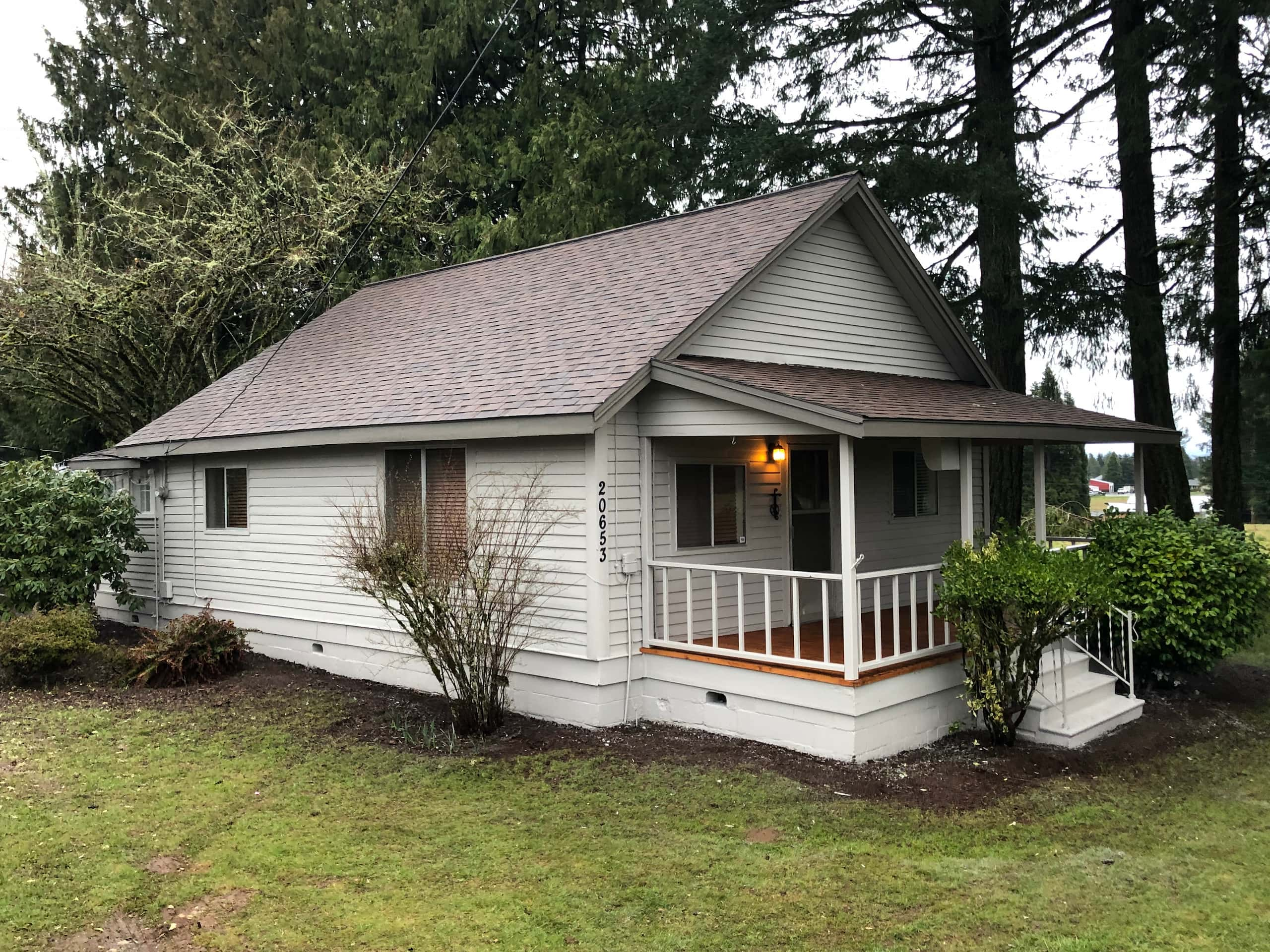
Signs You Need Specialty Roofing Products
Exterior Signs
- Cedar shakes that are rotting, splitting, or covered in moss
- Slate or tile that is cracked, slipping, or too heavy for aging framing
- Faded or uneven color on an aging premium roof
- Repeated repairs on a natural-material roof
Interior Signs
- Water stains on ceilings during the October through May wet season
- Dampness or staining on attic decking
Project-Specific Signs
- An HOA requiring a cedar-look or slate-look replacement
- A historic-style home where appearance matters but maintenance has become a burden
- A budget that rules out full slate but still wants a slate look
Call promptly if you see active leaking or soft decking, since Portland’s long wet season turns small openings into interior damage quickly.

Plastic Composite Roofing
A broad array of products designed to look like real cedar shake, slate, concrete tile, or other natural materials. They require the highest integrity in fasteners, flashings, underlayments, and details, and are designed to last upwards of 40 years on a home.
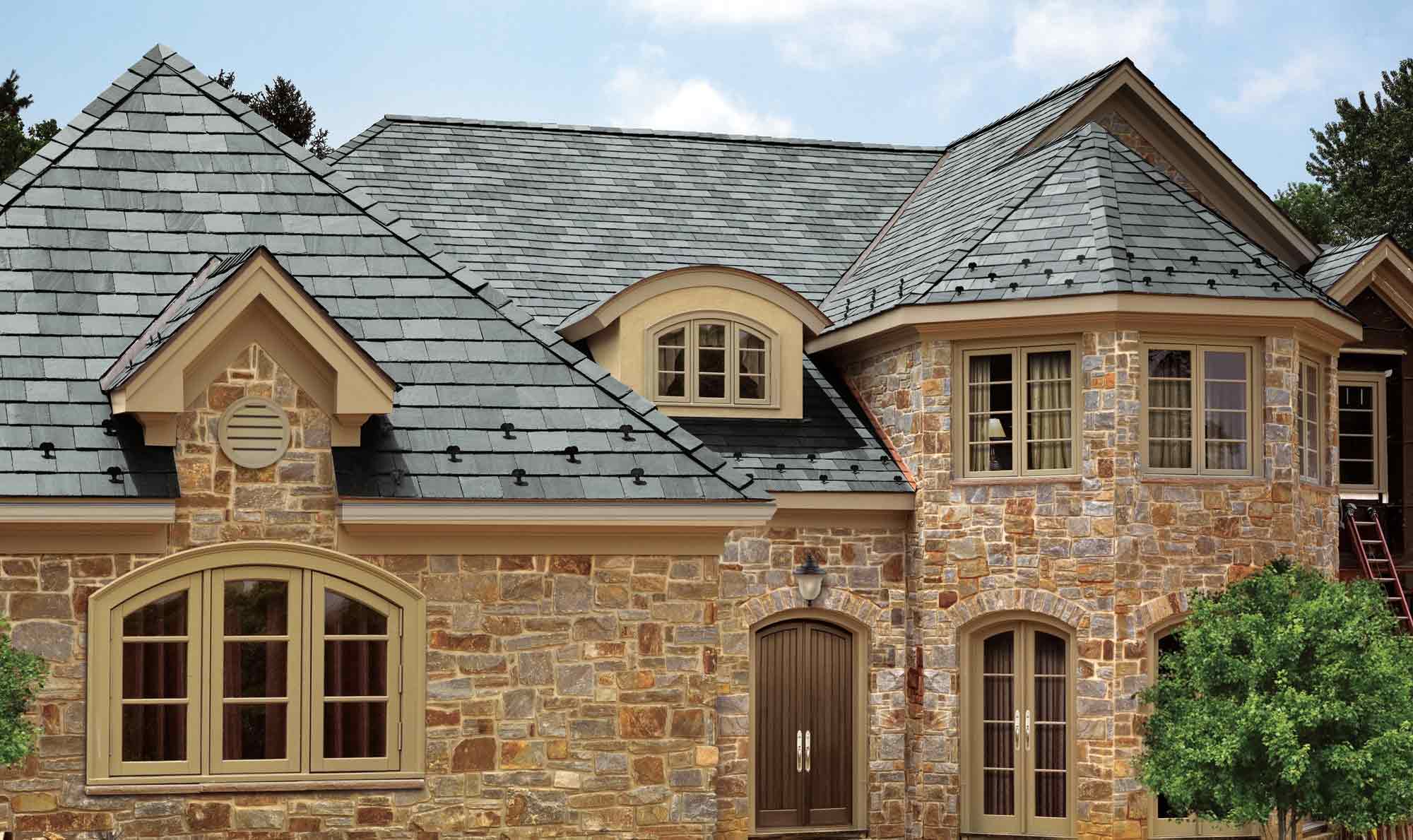
Partial Slate Products
Real slate laid in a single layer with high-caliber underlayment, rather than the traditional double coverage. They look just like a slate roof because they are real slate, just not in entirety, at much lower cost, though in our opinion this is not a forever roof.
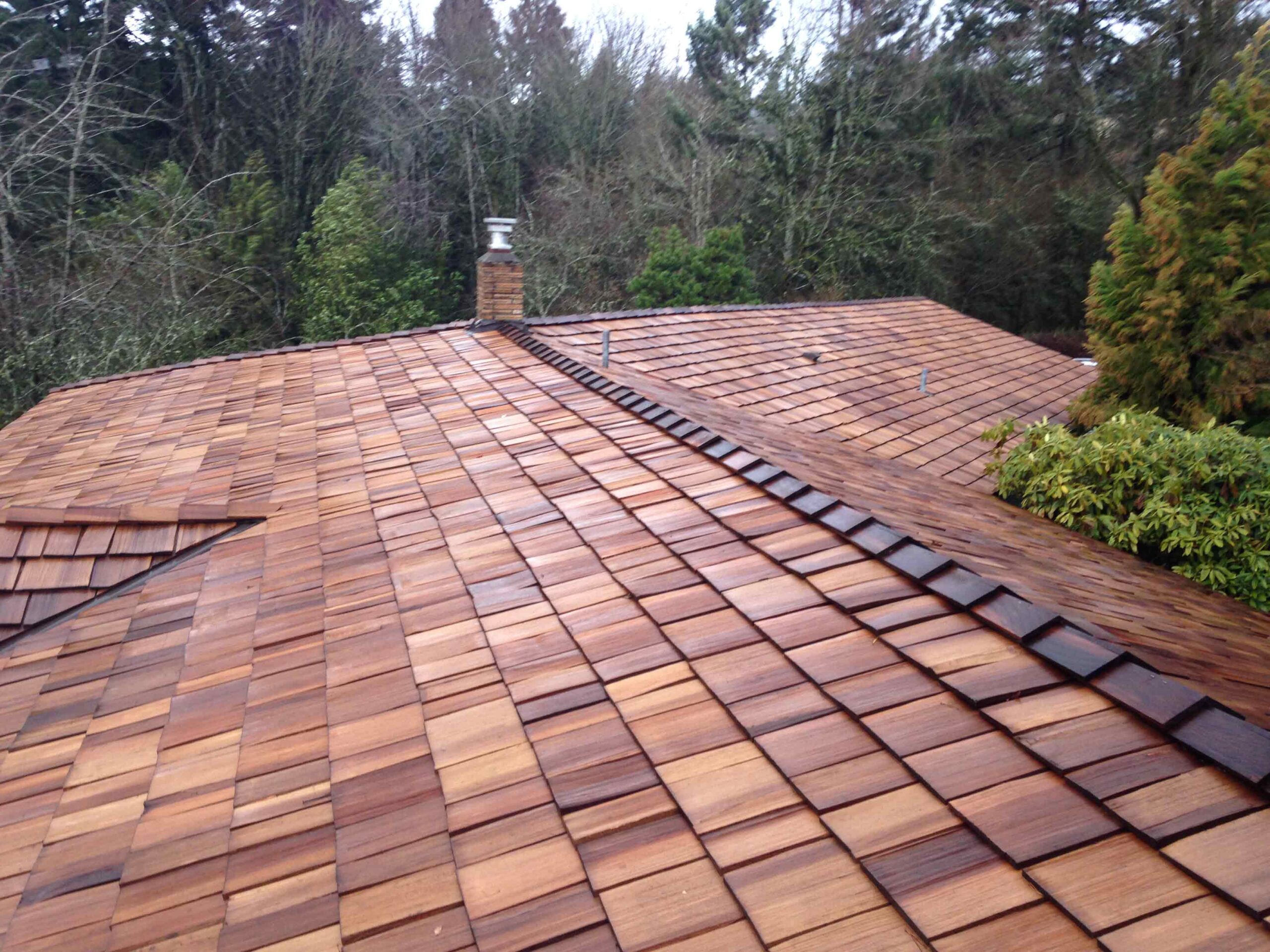
Cedar-Look Composite
A plastic composite with a cedar shake profile, popular for replacing cedar roofs under HOA rules and in shaded neighborhoods where real cedar struggles with moss and rot.
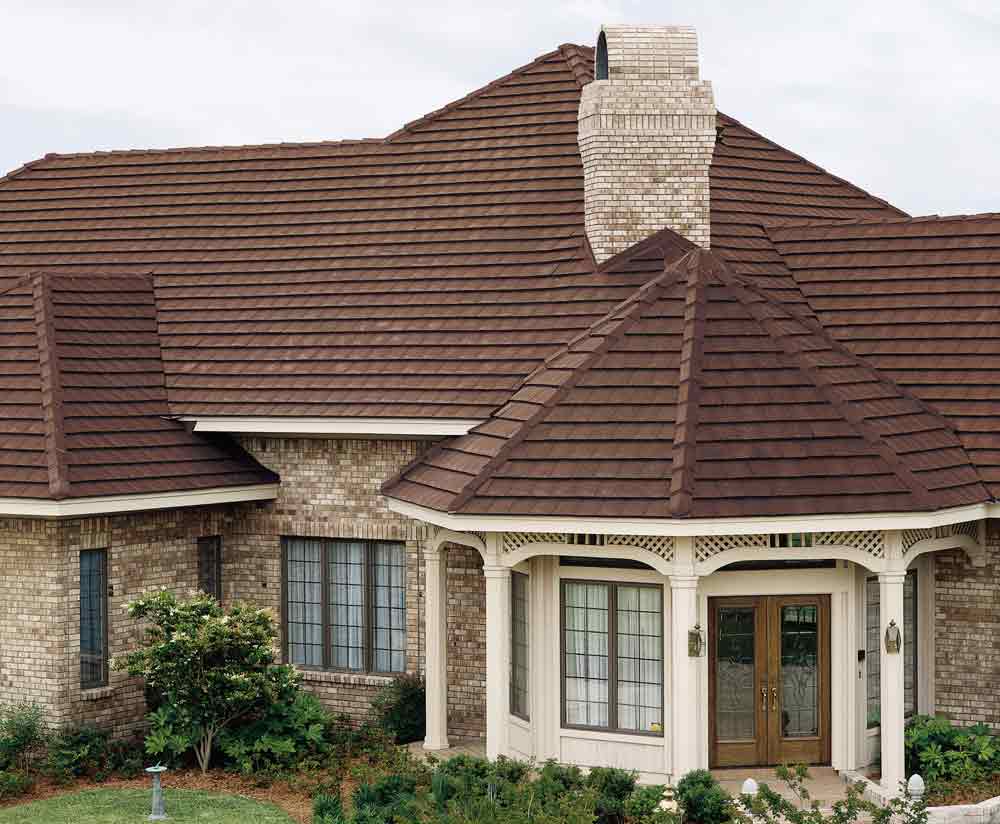
Full Slate or Stone
Traditional double-coverage slate and stone remain the ultimate premium option for homes with the structure and budget to support them, and we’re glad to compare them against the alternatives.
Why Portland Property Owners Choose Reliance Roof Pros
Reliance Roof Pros has served the Portland metro since 1996 and installs plastic composite and partial slate products alongside cedar, metal, composition, and flat roofing. That range lets us give you an honest comparison rather than steering you to one product. We know specialty roofs live or die by the details, so our crews focus on fasteners, flashings, and underlayments, and we’re candid about each product’s limits, including our view that partial slate is not a forever roof. Every installation is backed by a workmanship warranty, and as a locally owned company we handle permits and follow-up across Portland, Lake Oswego, Happy Valley, Beaverton, and the surrounding communities.